

Tess of the d’Urbervilles
Free to read
 ✓
Author
Thomas Hardy (1840–1928) was an English novelist and poet whose works are celebrated for their powerful portrayal of human nature, social constraints, love, loss, and the forces of fate. Born in Higher Bockhampton, Dorse
Thomas Hardy (1840–1928) was an English novelist and poet whose works are celebrated for their powerful portrayal of human nature, social constraints, love, loss, and the forces of fate. Born in Higher Bockhampton, Dorset, he grew up in the rural landscape of southwestern England that later became the fictional region of “Wessex” in many of his novels. Hardy initially trained as an architect in London but gradually turned to literature. His early novels established him as an important Victorian writer, while his later works became increasingly critical of social conventions, class divisions, marriage, and the restrictions placed on individual lives. His fiction often combines detailed descriptions of the countryside with tragic stories in which characters struggle against circumstances beyond their control. Among his best-known novels are Far from the Madding Crowd (1874), The Mayor of Casterbridge (1886), The Woodlanders (1887), Tess of the d’Urbervilles (1891), and Jude the Obscure (1895). His novels are distinguished by memorable characters, complex relationships, and a strong sense of place, while often challenging the moral attitudes of Victorian society. After the controversial reception of Jude the Obscure, Hardy largely abandoned novel writing and devoted himself to poetry. He published several important collections, including Wessex Poems, Poems of the Past and the Present, and Satires of Circumstance. His poetry reflects many of the same themes as his fiction, particularly memory, mortality, lost love, and the passage of time. Thomas Hardy died in Dorchester in 1928. He is regarded as one of the major figures of English literature, bridging the Victorian and modern literary periods. His novels and poems remain influential for their psychological depth, tragic vision, vivid depiction of rural life, and exploration of the tension between individual desire and the pressures of society.
Free to read

Free to read

Free to read

Free to read
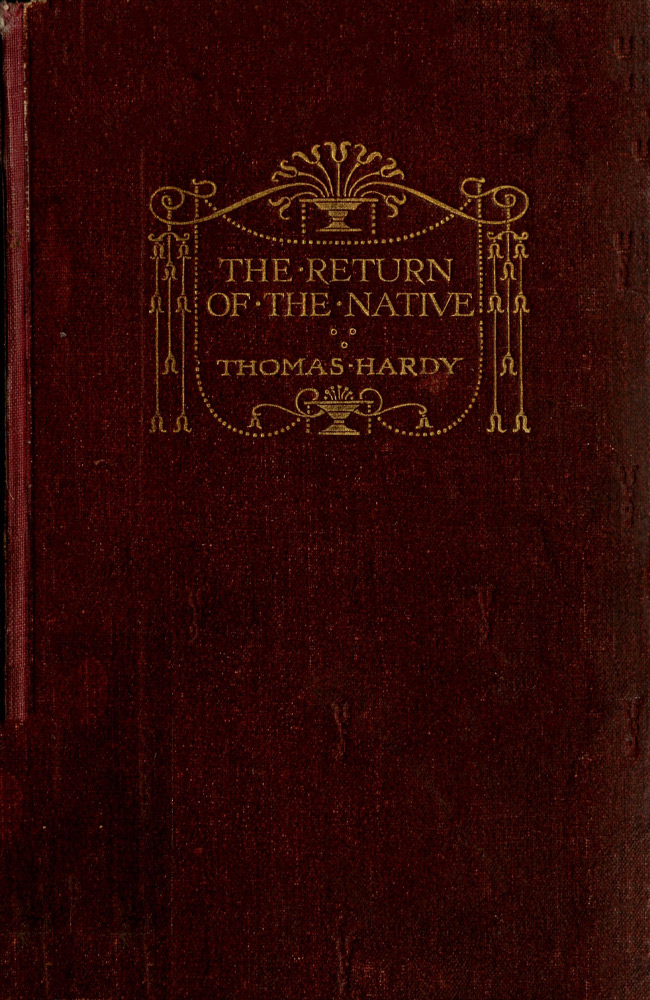
Free to read
Thomas Hardy's work is in the public domain — free for everyone, forever.
Payments are handled by Stripe. You can see everything you have given on your purchases page.