

The Wind in the Willows
Free to read
 ✓
Author
Kenneth Grahame (1859–1932) was a Scottish-born British writer best known for The Wind in the Willows, one of the most enduring classics of children's literature. His writing combines gentle humor, lyrical descriptions o
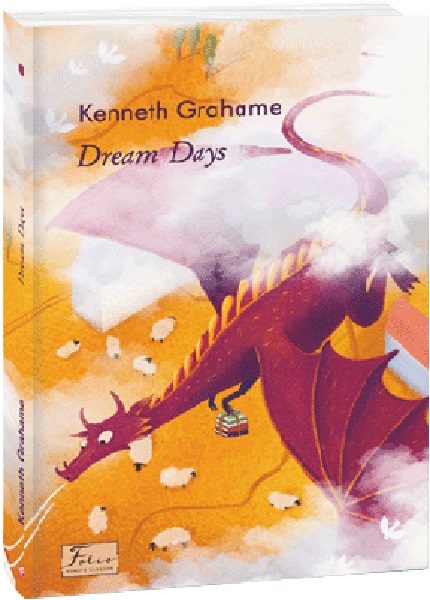
Kenneth Grahame (1859–1932) was a Scottish-born British writer best known for The Wind in the Willows, one of the most enduring classics of children's literature. His writing combines gentle humor, lyrical descriptions of the English countryside, adventure, friendship, and a strong sense of nostalgia. The book's characters—Mole, Rat, Badger, and the exuberant Mr. Toad—have become beloved figures in English literature. Grahame was born on March 8, 1859, in Edinburgh, Scotland. After the death of his mother and the absence of his father, he and his siblings were raised by their grandmother in the village of Cookham Dean in Berkshire. The surrounding countryside had a lasting influence on Grahame's imagination and later provided much of the atmosphere for The Wind in the Willows. Grahame attended St Edward's School in Oxford, where he developed a strong interest in literature. Financial circumstances prevented him from attending university, and in 1879 he began working at the Bank of England. He remained there for more than thirty years, eventually becoming Secretary of the institution. Alongside his professional career, he continued to write. His early literary success came with Pagan Papers (1898), followed by The Golden Age (1895) and Dream Days (1898), collections of nostalgic stories and sketches of childhood. These works established his reputation as a gifted writer of imaginative and reflective prose. They also contained early versions of the themes that would later appear in his most famous book. The Wind in the Willows was published in 1908. The novel follows the adventures of a group of anthropomorphic animals living along an idyllic English river. The gentle Mole, sociable Rat, wise Badger, and impulsive Mr. Toad form a memorable group whose adventures range from quiet river journeys to comic escapades and dramatic encounters. Beneath its apparent simplicity, the book explores friendship, home, freedom, recklessness, and the desire to return to a familiar place. Grahame married Elspeth Thomson in 1899, and they had one son, Alastair, whom they called “Mouse.” Many of the stories that became The Wind in the Willows grew from stories Grahame told to his son. Alastair's early death in 1920 was a devastating loss for his parents and deeply affected Grahame's later life. Kenneth Grahame died on July 6, 1932, in Pangbourne, Berkshire. Although he wrote relatively little compared with many of his contemporaries, The Wind in the Willows secured his lasting place in literary history. The novel has been adapted for theatre, film, television, and animation many times and continues to appeal to readers of all ages through its mixture of fantasy, humor, friendship, and beautifully observed English landscapes.
Free to read
Free to read
Kenneth Grahame's work is in the public domain — free for everyone, forever.
Payments are handled by Stripe. You can see everything you have given on your purchases page.